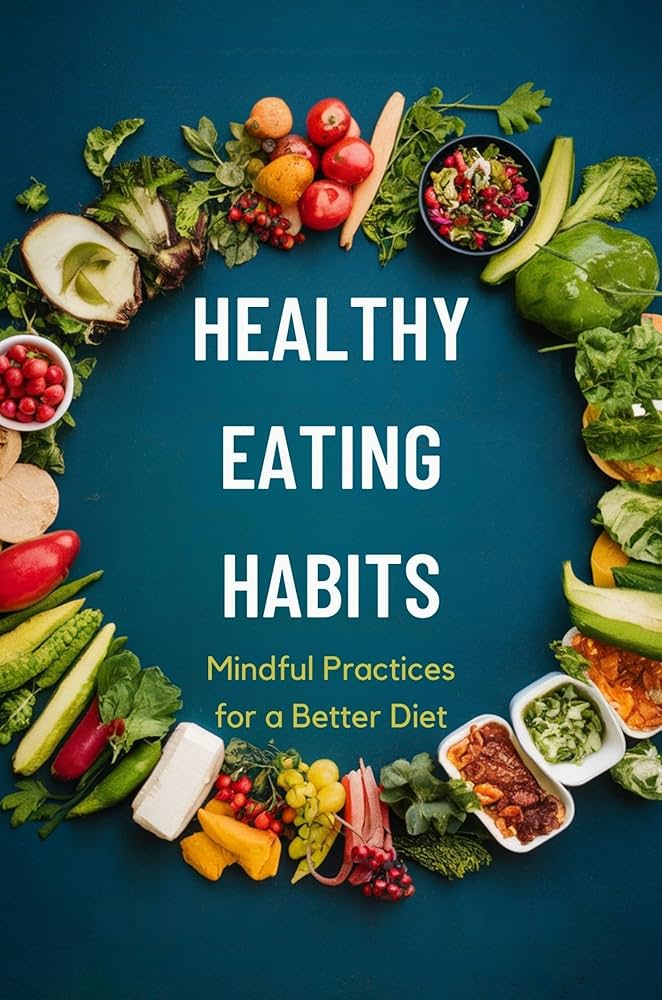
🌸 Have you ever found yourself eating a meal and suddenly realizing the plate is empty — but you don’t remember much about what you just ate? 🍽️ Or maybe you often feel bloated, heavy, or guilty after eating, even though you didn’t eat that much? 😞 These are common experiences for many people, and the root cause often comes down to one thing: not paying attention while eating. 🧠✨
🌟 In our busy lives, it’s easy to rush meals, eat in front of screens, or multitask while eating. But this “mindless eating” can harm digestion, lead to overeating, and disconnect us from our body’s natural signals. This is where mindful eating comes in — a simple yet powerful practice that can transform your relationship with food and improve your overall health. 🍎💚
💫 In this blog, we’ll explore what mindful eating is, why it matters, and how you can start practicing it today to feel healthier, happier, and more in control of your eating habits. 🍴🌈
🌼 What is Mindful Eating? 🌼
Mindful eating is about bringing your full attention to the experience of eating. 🥄 It means slowing down and noticing the flavors, textures, smells, and colors of your food — without distractions. More importantly, it means tuning in to your body’s hunger and fullness signals and eating with awareness rather than out of habit, stress, or boredom. 💭🍓
It’s different from dieting or calorie counting because mindful eating focuses on how you eat, not what you eat. 🥗 It encourages a positive, non-judgmental attitude toward food and helps you build a healthy, balanced relationship with eating. 💖🌟
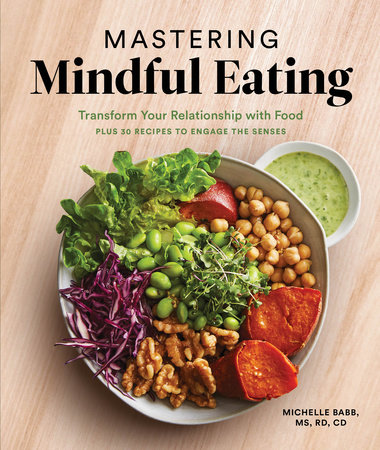
🌻 Why Does Mindful Eating Matter? 🌻
1. Improves Digestion and Gut Health 🌿🍽️
When you eat mindlessly, you often rush through your meal, swallowing large bites without chewing properly. This can lead to poor digestion, bloating, and discomfort. 😣 Chewing slowly and savoring each bite, a key part of mindful eating, allows your stomach to produce digestive enzymes more effectively and helps your body absorb nutrients better. 🍽️💧
2. Helps with Weight Management ⚖️💪
Many people eat more than they need because they are distracted or not paying attention to their body’s signals. Mindful eating helps you recognize when you’re truly hungry and when you’re comfortably full, reducing overeating and unnecessary snacking. 🍏 This natural portion control supports healthy weight management without strict diets or deprivation. 🌈✨
3. Reduces Emotional Eating 💗🧘♀️
Eating out of stress, sadness, boredom, or habit is common but can cause guilt and weight gain. Mindful eating helps break this cycle by making you more aware of your emotional triggers and encouraging you to find other ways to cope with emotions. 💭💖
4. Enhances Food Enjoyment 😋🎉
When you eat mindfully, you notice the subtle flavors, smells, and textures of your food, making meals more satisfying and enjoyable. 🌸 This appreciation often leads to eating less but feeling more fulfilled. 🥰
5. Builds a Healthier Relationship With Food 💞🍽️
Mindful eating removes the “good vs. bad” food mindset and judgment, reducing anxiety around eating. Instead, it encourages respect and kindness toward your body and food choices. 🌷💝
🍃 How to Practice Mindful Eating: A Step-by-Step Guide 🍃
Starting mindful eating may feel strange at first because most of us are used to rushing or multitasking during meals. But like any skill, it becomes easier with practice. 🌟 Here’s how to begin:
Step 1: Eat Without Distractions 📵🎧
Turn off the TV, put away your phone, and avoid working or reading while eating. This allows your mind to focus fully on the eating experience. 🧘♂️💫
Step 2: Take Time to Appreciate Your Food 👀🍇
Before you eat, take a moment to notice the colors, shapes, and smells of your meal. Think about where the food came from and the effort involved in preparing it. This builds gratitude and connection to your food. 🙏🌿
Step 3: Eat Slowly and Chew Thoroughly 🐢🍴
Take smaller bites and chew each bite completely before swallowing. This slows down your eating pace and improves digestion. 🍂✨
Step 4: Put Down Your Utensils Between Bites ✋🍽️
This simple habit helps you slow down and gives your brain time to receive fullness signals from your stomach. 🧠💕
Step 5: Check In With Your Hunger and Fullness 🌟🌈
Before you start eating, ask yourself how hungry you are on a scale of 1 (starving) to 10 (stuffed). Try to eat when you’re moderately hungry and stop when you’re comfortably satisfied, not overly full. 🥰
Step 6: Notice Your Body’s Reactions 🧘♀️🌺
Pay attention to how your body feels during and after eating. Are you energized or sluggish? Comfortable or bloated? This awareness helps you learn what foods work best for you. 🌻✨
🌸 Practical Tips for Mindful Eating Every Day 🌸
- Start small: Begin practicing mindful eating for one meal or snack a day. Gradually increase as it becomes more natural. 🌱
- Use all your senses: Focus on the taste, smell, texture, and even the sound of your food (like crunching). 🎶
- Create a calm eating environment: Eat in a quiet, pleasant space if possible. 🕯️
- Practice gratitude: Thank yourself for taking care of your body with nourishing food. 💖
- Avoid judgment: If you find yourself distracted or overeating, gently bring your attention back without criticizing yourself. 🌷
- Keep a food journal: Write down your mindful eating experiences and how different foods make you feel. 📝
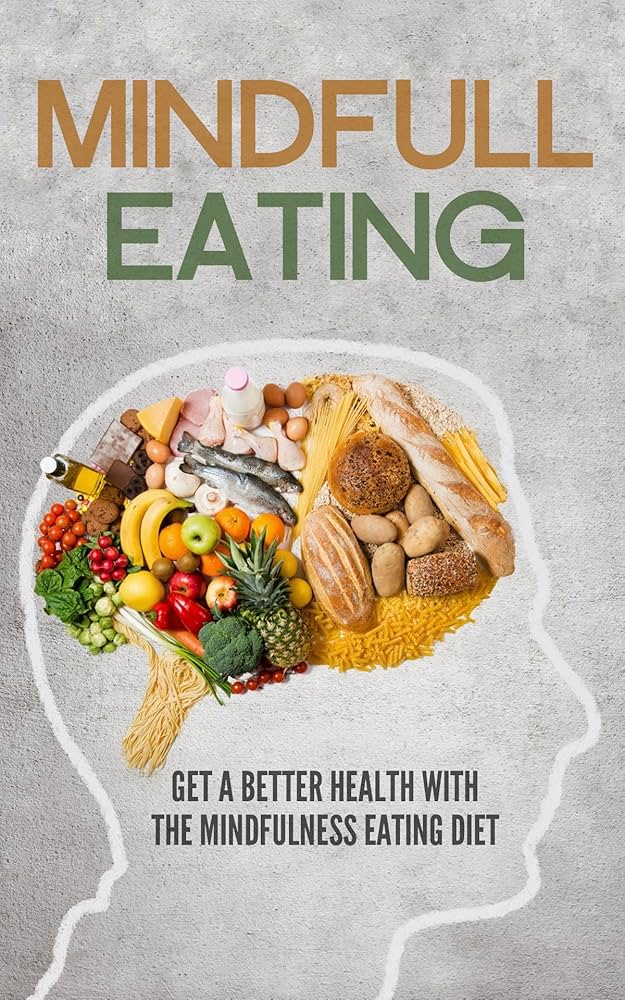
💫 Common Challenges and How to Overcome Them 💫
Feeling Too Busy to Slow Down ⏳😰
If your schedule is hectic, mindful eating can seem impossible. But even a few minutes dedicated to focused eating can help. Try starting with breakfast or a snack when you have more time. ☀️🍌
Getting Distracted Easily 🙈📱
It’s normal for your mind to wander during meals. When this happens, gently bring your focus back to your food without frustration. 🌸💕
Emotional Eating 💭🍫
If you eat when stressed or bored, mindful eating helps you pause and recognize these feelings. Before reaching for food, take a deep breath and ask if you’re truly hungry or if your body needs something else like rest, water, or a walk. 🌿🌼
📚 Mindful Eating and Weight Loss: What Science Says 📚
Several studies show mindful eating helps with weight loss and maintenance because it reduces binge eating, emotional eating, and mindless snacking. It also encourages healthier food choices and better portion control. 🍎🌈
For example, a 2017 study published in the Journal of Obesity found participants who practiced mindful eating had significant reductions in binge eating episodes and improved self-regulation around food. 📖✨
👧 Mindful Eating for Children: Teaching Healthy Habits Early 👦
Mindful eating isn’t just for adults. Teaching children to eat mindfully can help them develop a healthy relationship with food from a young age. Encourage kids to:
- Notice the colors and textures of their food 🌈🍉
- Eat slowly and chew well 🐢🍴
- Recognize hunger and fullness signals 🌟
- Avoid distractions like TV or tablets during meals 📵
💖 Mindful Eating and Emotional Well-being 💖
Food often has emotional meaning — comfort, celebration, or stress relief. Mindful eating allows you to honor these feelings without letting them control your choices. Over time, it helps reduce guilt and shame around food and creates a more peaceful, balanced life. 🌸🕊️
🍽️ Sample Mindful Eating Exercise to Try Today 🍽️
- Choose a small piece of food—like a raisin, nut, or piece of fruit. 🍇
- Look at it carefully, noticing its color, shape, and texture. 👀
- Smell it slowly and observe the aroma. 🌸
- Take a small bite but don’t chew yet. Feel the texture in your mouth. 🦷
- Chew slowly and notice how the taste changes. 😋
- Swallow and notice how you feel. 🌿
- Reflect on the experience and any thoughts or feelings that come up. 💭
❓ Frequently Asked Questions About Mindful Eating ❓
Q: Can I still eat my favorite “unhealthy” foods and practice mindful eating?
A: Absolutely! Mindful eating isn’t about restriction; it’s about awareness and enjoyment. Eating your favorite treats mindfully can help you savor them fully and prevent overeating. 🍫💕
Q: How long does it take to see benefits?
A: Many people notice improvements in digestion, mood, and eating habits within a few weeks of practicing mindful eating regularly. 🌟
Q: Can mindful eating help with food allergies or intolerances?
A: Yes, by paying attention to how different foods make you feel, you can better identify what works for your body and avoid triggers. 🌼💚
🌸 Final Thoughts: Mindful Eating is a Gift You Can Give Yourself Every Day 🌸
Eating is more than just fueling your body; it’s an opportunity to connect with yourself, nourish your body, and enjoy life’s simple pleasures. Mindful eating helps you slow down, appreciate food, and listen to your body’s wisdom. 💖
By practicing mindful eating, you’ll improve digestion, manage weight naturally, reduce emotional eating, and find more joy in every meal. It’s a gentle, sustainable way to transform your health and relationship with food—one bite at a time. 🍽️🌈